
Conditional Access Break-Glass Accounts: Would Yours Still Get You In?
Conditional Access break-glass accounts can quietly stop working as Microsoft changes the platform. See what your technologists need to know.

Conditional Access break-glass accounts can quietly stop working as Microsoft changes the platform. See what your technologists need to know.

Most Conditional Access is learned by trial and error, often in production. See how Conditional Access Foundation teaches the fundamentals first.

MFA can be switched on and still fail the test that matters. Learn how phishing-resistant MFA, token protection, risk-based controls, and provable evidence separate “on” from truly covered.
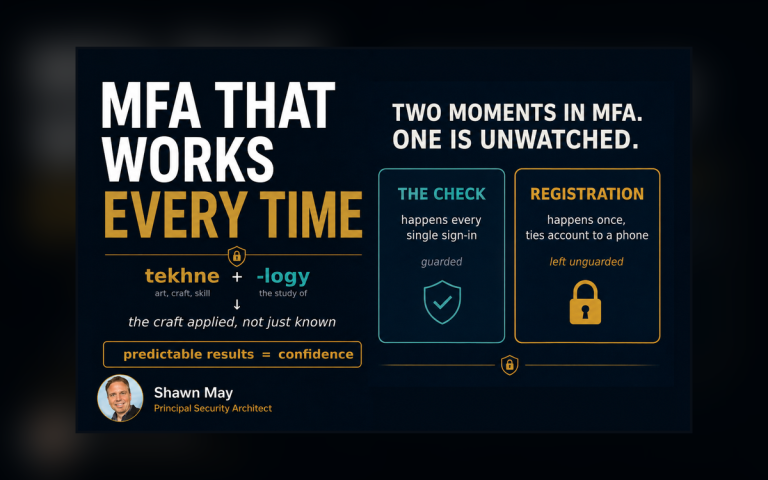
The registration step most people skip Turning on multi-factor authentication feels like the job is finished. For almost every account, it is.
A conditional access policy is the rule in Microsoft Entra that decides who gets in, to what, under which conditions, and what they must prove first.

For the security leader who owns the risk Somewhere in your files is a form with your name on it. An insurance application, a customer questionnaire, a board attestation. One line says MFA is enforced.
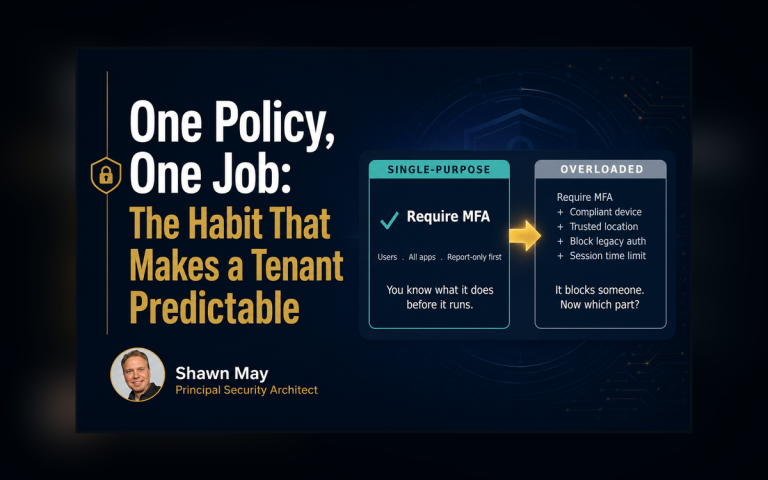
You get the ticket. A user’s blocked and they need in now. You open the policy that caught them, and it’s doing five things at once.
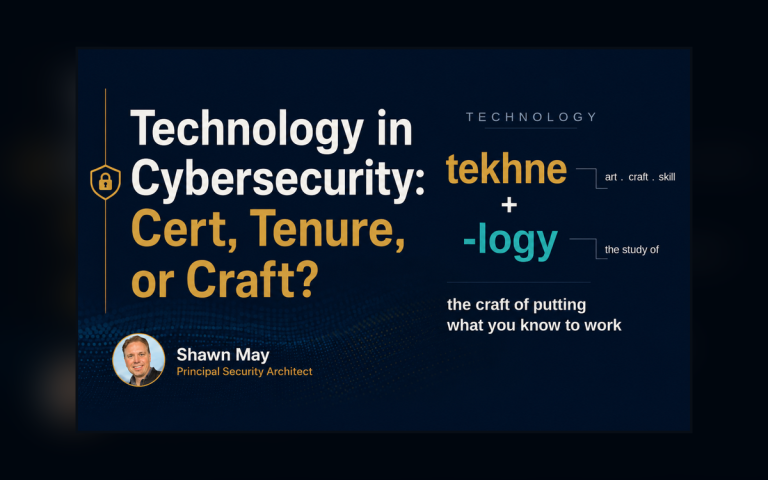
In cybersecurity hiring, two signals mislead us. A certificate proves someone studied, and tenure proves they showed up for years. Neither proves craft, the skill to apply the work when an incident goes off-script.
A Conditional Access exclusion is any user, group, role, or app you leave out of a policy, so that policy’s control doesn’t apply to them.

Conditional Access is Microsoft Entra’s policy engine for sign-in decisions. It gathers signals about a sign-in, who it is, what app, what device, where from, how risky, then matches them against your rules and enforces…